Understanding Fascia: The Body’s Hidden Network
For years, fitness professionals focused primarily on muscles, bones, and joints when discussing movement and performance. Today, emerging research is shining a spotlight on another critical system that may be just as important: fascia. Yoga for fascial health is an emerging area of focus in modern movement science — and at YogaFit, we integrate these principles across many of our training programs, including Healthcare 1, Restorative Yoga, Injury Prevention and Recovery, and Warriors — helping fitness professionals and active adults understand how this hidden network impacts mobility, recovery, and long-term movement quality. 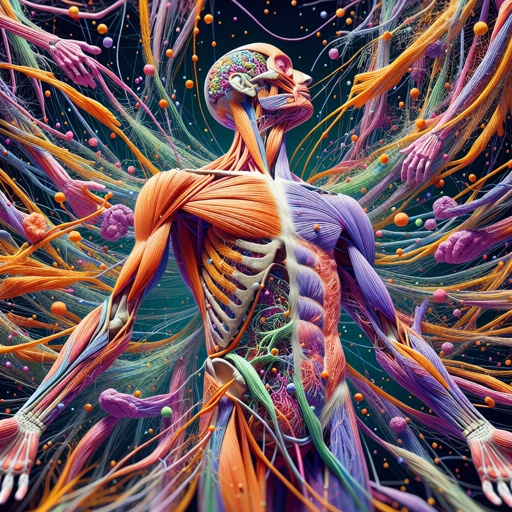
We are all tight – if you are not doing yoga – your workouts will suffer, I know mine do. Simple stretching is not enough. Why ? You are tight everywhere and getting tighter by the day as you age. Fascia is the body’s continuous connective tissue network that surrounds and connects every muscle, bone, nerve, blood vessel, and organ. Rather than functioning as isolated parts, the body operates as one interconnected system, with fascia serving as the communication network that links everything together.On a personal note, I stopped teaching my 7 classes a week two months ago, I’m still working out, lifting weights and walking but my upper back is perpetually sore and tight – so are my hips. We all need yoga for mobility and energy flow.
Modern fascial research suggests that healthy connective tissue plays a vital role in mobility, posture, balance, movement efficiency, athletic performance, recovery, and overall well-being.
What Happens When Fascia Becomes Restricted?
Like any tissue, fascia adapts to how we use—or don’t use—our bodies.
Common causes of fascial restrictions include:
- Prolonged sitting
- Repetitive movement patterns
- Injury or surgery
- Poor posture
- Chronic stress
- Dehydration
- Lack of movement
When fascia loses its elasticity and ability to glide, the body often compensates in ways that create dysfunction elsewhere.
Symptoms may include:
- Muscle tightness
- Joint stiffness
- Limited mobility
- Reduced athletic performance
- Chronic aches and pains
- Poor posture
- Balance challenges
This helps explain why the location of pain is not always the source of the problem.
A restricted hip may contribute to low back pain. Tight calves may affect knee mechanics. Thoracic stiffness may contribute to shoulder dysfunction.
The body is connected through fascial chains that distribute tension throughout the entire system.
Why Mobility Matters More Than Ever
Mobility is one of the strongest predictors of healthy aging.
Unlike flexibility alone, mobility combines:
- Range of motion
- Joint integrity
- Neuromuscular control
- Stability
- Functional movement
As we age, maintaining mobility becomes essential for:
- Fall prevention
- Joint health
- Athletic performance
- Daily activities
- Longevity
- Independence
The most effective mobility programs address not only muscles but also the connective tissue system that supports movement.
How Yoga Supports Fascial Health
Yoga naturally incorporates many of the movement principles shown to support healthy fascia.
Through mindful movement, stretching, strengthening, and breath awareness, yoga helps:
- Improve tissue hydration
- Encourage fascial glide
- Increase range of motion
- Enhance proprioception
- Improve posture
- Reduce movement compensation patterns
- Support recovery
Unlike traditional stretching alone, yoga encourages multi-directional movement patterns that challenge the body in a variety of planes of motion.
This variability is particularly beneficial for maintaining resilient connective tissue.Let us help you with Fascia and Yoga YogaFit offers
- Fascial Release Exercises
- Yoga for Mobility
- Mobility Training for Seniors
- Restorative Yoga Benefits
- Connective Tissue Health
- Functional Movement Training
- Yoga for Personal Trainers
- Corrective Exercise and Yoga
- Healthy Aging Through Movement
- Fascia and Athletic Performance
- Yoga for Recovery
- Mobility for Longevity
- YogaFit Training
- Yoga Anatomy Certification
- Restorative Yoga Certification
- Personal Trainer Continuing Education
Restorative Yoga and Fascial Release
One of the most powerful yet overlooked approaches to fascial health is Restorative Yoga.
Restorative Yoga allows the nervous system to shift from a stress response into a recovery state. As muscular guarding decreases, deeper connective tissue restrictions can begin to soften.
Benefits of restorative yoga include:
- Reduced muscular tension
- Improved circulation
- Enhanced recovery
- Improved breathing patterns
- Stress reduction
- Better sleep
- Increased body awareness
YogaFit’s Restorative Yoga programs teach instructors how to use props, breathwork, and therapeutic positioning to help students release chronic tension patterns and restore balance throughout the body.
Learn more about YogaFit Restorative Yoga Training
Anatomy Matters: Understanding Fascia Through YogaFit Anatomy
Effective movement professionals need a deeper understanding of how the body functions.
The YogaFit Anatomy Program helps fitness and yoga professionals understand:
- Functional anatomy
- Fascial relationships
- Movement assessment
- Postural analysis
- Biomechanics
- Injury prevention
Rather than memorizing muscles in isolation, students learn to view movement as an integrated system.
This systems-based approach reflects what modern fascial science continues to reveal.
Explore YogaFit Anatomy Trainings
Why Every Personal Trainer Should Understand Yoga
Today’s clients want more than strength training.
They want:
- Better mobility
- Less pain
- Improved recovery
- Better posture
- Stress management
- Functional movement
This is why every personal trainer should have a working knowledge of yoga.
Yoga provides tools that complement traditional fitness training by addressing:
- Mobility restrictions
- Balance deficits
- Core stability
- Recovery strategies
- Breath mechanics
- Mind-body awareness
Clients who combine strength training with yoga often experience better movement quality, fewer injuries, and greater long-term success.
YogaFit Yoga for Personal Trainers
YogaFit’s Yoga for Personal Trainers Program bridges the gap between traditional fitness and yoga.
Designed specifically for fitness professionals, this training teaches personal trainers how to safely integrate yoga-based techniques into client programs.
Topics include:
- Functional mobility
- Corrective movement
- Core training
- Flexibility development
- Recovery programming
- Balance training
- Breath awareness
- Injury prevention
For trainers working with active aging populations, athletes, and general fitness clients, yoga knowledge has become an essential professional skill.
Learn more about YogaFit Yoga for Personal Trainer
The Fascial Connection to Healthy Aging
As longevity science advances, researchers continue to recognize movement quality as one of the most important factors in healthy aging.
Healthy fascia contributes to:
- Efficient movement
- Better posture
- Greater resilience
- Enhanced athletic performance
- Faster recovery
- Reduced injury risk
- Improved body awareness
The goal is not simply stronger muscles.
The goal is creating a body that moves well, adapts well, and ages well.
Bringing It All Together
Modern movement science is shifting away from viewing the body as a collection of separate parts and toward understanding it as an interconnected system.
Yoga, mobility training, restorative practices, and fascial awareness work together to create a more balanced, resilient, and functional body.
Whether you are a fitness professional, yoga teacher, athlete, or active adult, investing in mobility and fascial health can improve not only how you move—but how you feel for decades to come.
Learn More
Explore YogaFit Training Programs:
- Yoga for Personal Trainers
- Restorative Yoga
- Anatomy and Biomechanics
- YogaFit Foundations
- Senior YogaFit
- YogaLean
- Yoga for Athletes
Visit: https://www.yogafit.com
Because movement is medicine—and mobility is one of the keys to living stronger, longer.